Welcome to the ILSC Brisbane Junior Camp!
Here you will find everything you need to enjoy the amazing language and cultural experience ahead of you.
Bookmark this page so you can come back to it later and use the language button at the bottom to translate to your language.
Check out the Useful Resources section below
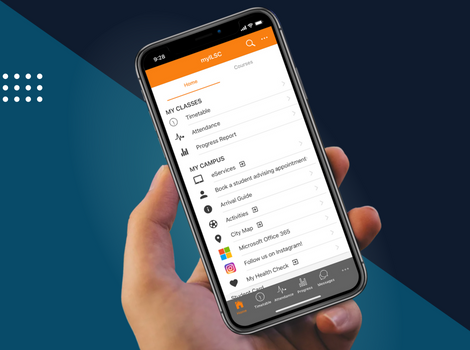
Set up your ILSC digital account and your personal ILSC Junior Camp email account.
Visit the Juniors Digital Setup Guide for step-by-step instructions.

Your language assessment will be conducted in person on your first day in a fun, interactive way! There’s no need to complete an online test in advance—just arrive ready to participate and enjoy the experience.
Arriving at the Airport
-
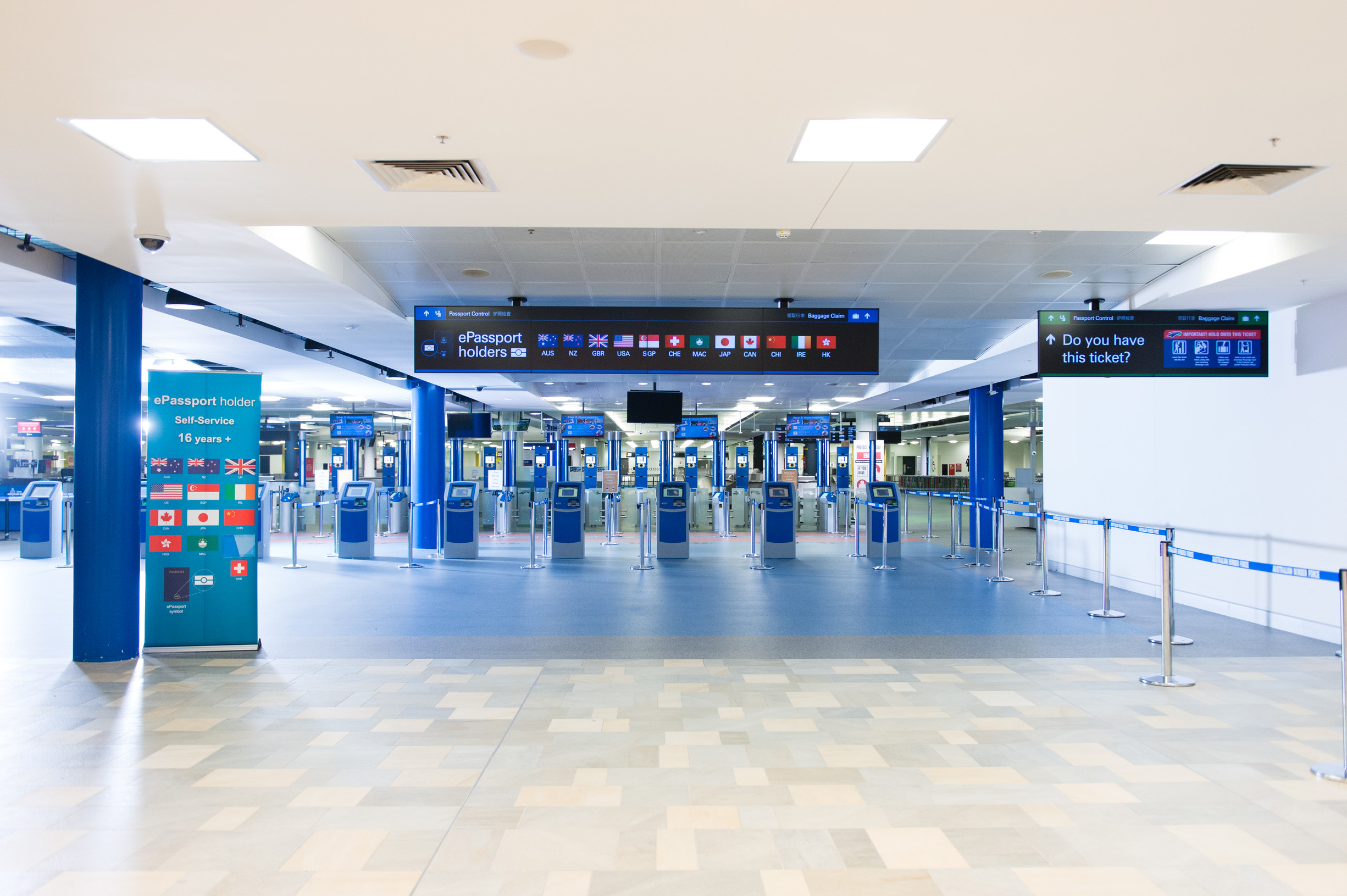
If you are coming from an international flight, you will be arriving at the international arrivals’ terminal of the airport.
If you are coming from a domestic connecting flight, you will be arriving in the domestic arrivals terminal of the airport.
Airport Pick Up
-
ILSC-approved drivers will be waiting for you with a sign with the ILSC logo and your name, and they will take you safely to your homestay.
If your flight is delayed, your agent should inform ILSC as soon as possible. The airport transfer will be updated accordingly, and staff will monitor the flight and arrival time to ensure the student is met safely.
First Day Information
-
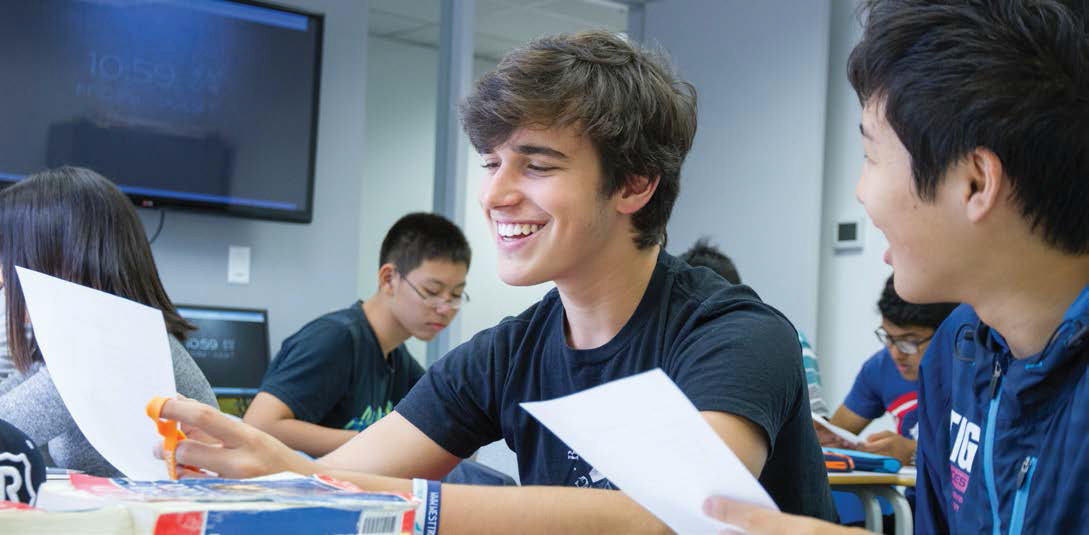
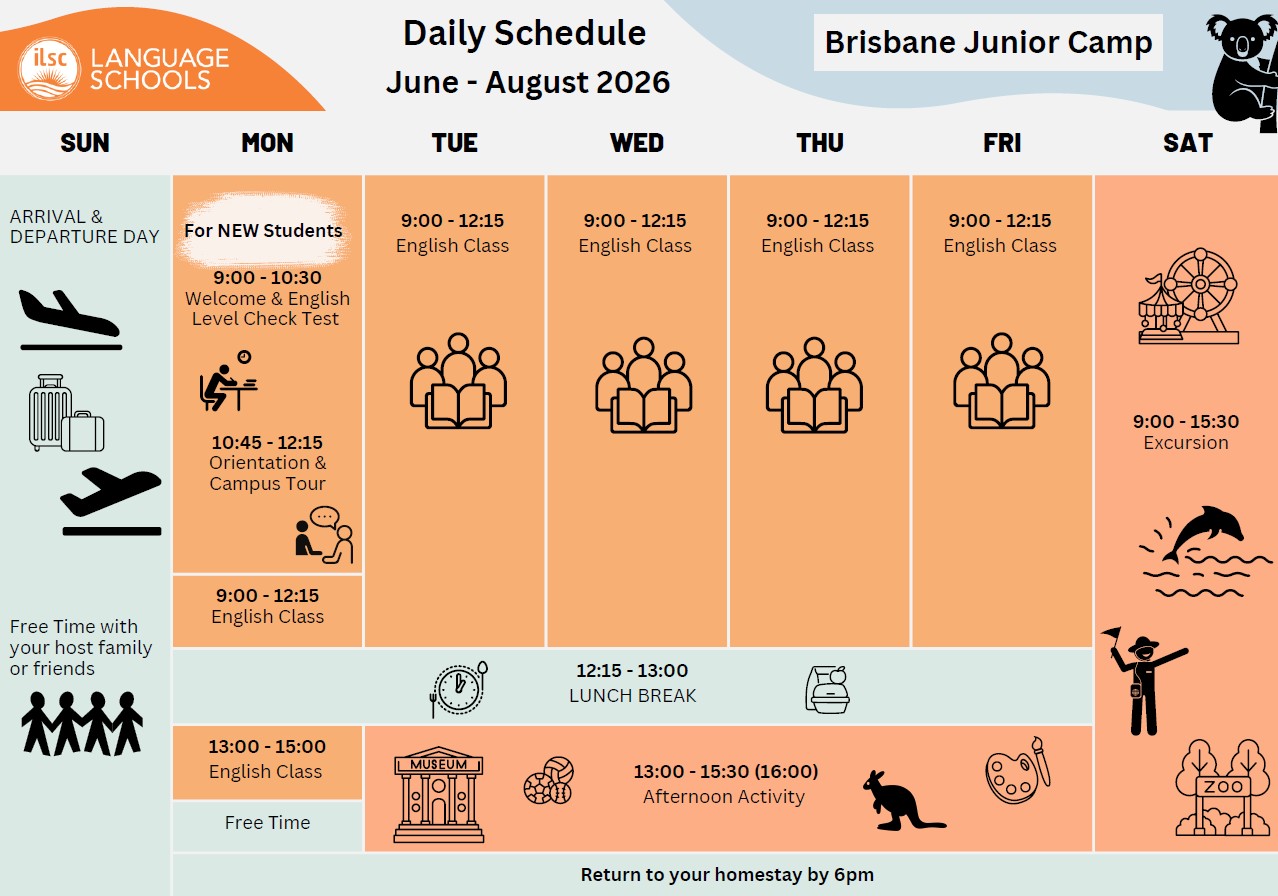
On your first day, arrive on campus in the morning. Orientation will begin at 9am. Your host family will explain how to get to campus using public transport. Bring your water bottle and any school supplies you need for your class.
The Homestay
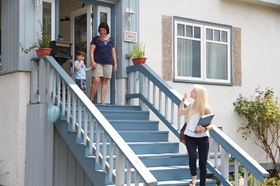
Host Family
We carefully select our homestay families by inspecting their homes and interviewing them before accepting them as appropriate families for our Junior Camp students. We advise our host families of our expectations in providing our students with the care and attention they need.
Australia is a diverse country and our host families come from a variety of ethnic backgrounds, races, religions, abilities and sexual orientations. Our host families are also diverse in their structure – two-parent families, single parent families, parents who work from home, or retirees.
Features of a host family
A clean home in a safe neighbourhood that provides our students with a private furnished room, shared bathroom, access to laundry facilities, and 2 meals per day.
A home that is accessible by public transportation and is approximately a 45-60 minute commute by bus or train.
Schedules
Australians typically leave for work between 6:00 AM and 8:30 AM and arrive home around 6:00 PM. Dinner is usually served between 6:00 PM- 7:00 PM. Bedtime is usually between 9:00 PM-11:00 PM.
Tell Us About It
If you have a problem with your host family, please tell the Junior Camp staff or the Accommodations Manager, and we will help
you.
Meals and Cleaning
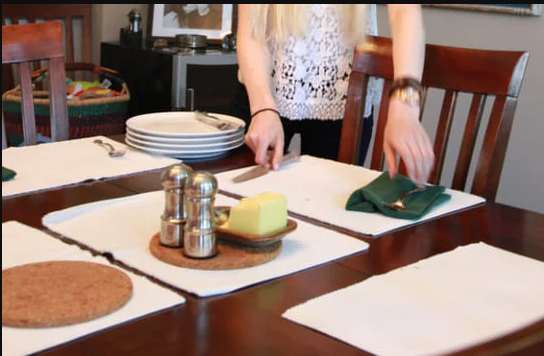
Meals
The Junior Homestay Program typically provides 2 meals a day during the week and 3 meals a day on weekends.
Meals with host families should not be missed. If you have any food concerns, discuss them with your host parents. Tell them if there is a particular type of food you dislike or if you desire another type of food.
Cleaning
In Australia, family members usually help with the household tasks. You may be asked to help with some of these tasks and you will be expected to keep your room and the bathroom neat and tidy.
2 Meals a Day
Breakfast is usually self-serve (prepared by student) and families often do not eat together. Australian breakfasts typically consist of : Cereal, toasted bread with jam and/or peanut butter or cheese or yogurt and fruit. Breakfast is usually between 6:00 AM – 8:00 AM (Monday-Saturday) and 9:00 AM – 10:00 AM on Sundays.
Lunch in Australia is not a large meal and you will usually be expected to buy your lunch at school or on the field trip. Snacks consist of fruit, granola bars, or yogurt. Water is usually the preferred drink choice and is very safe to drink.
Dinner is the largest meal of the day and is usually eaten together with the host family.
Dinner meals may include meat, potatoes, vegetables/salad, pasta or stir fry and rice. Desserts are not usually offered but your host family may offer fruit.
Rooms and Bathrooms
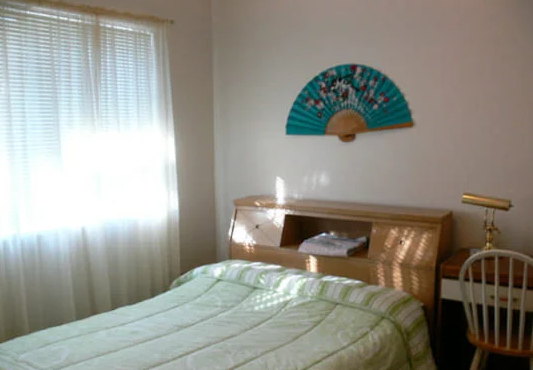
Rooms
You will be living in a private furnished room, with a shared bathroom and access to laundry facilities.
If you are tired or just want some time alone, it is okay to go to your bedroom. If you want privacy, close the door to your room. You do not have to stay with the homestay family at all times.
Bathrooms
Your Australian shower should have a shower door or curtain. If you have a curtain, make sure it is always inside the bathtub or shower platform, so that water does not drip on the floor. If water gets on the floor, please clean it up. Shower times should not be longer than 7-10 minutes, and bathroom times should not be more than 20 minutes, as your family may share the bathroom with you.
Facilities and Internet

Laundry
Most host families have a washer and dryer machine and will usually inform you when they explain the house rules if you are expected to do your own laundry or if they will do it for you. If you will be washing your own clothes, please ask your host parents to show you how to use the machines and when is a good time to use them. You should expect to do your laundry once a week.
Internet
Internet is included in your homestay.
Be considerate when using your phone or devices in the evening and use headphones rather than the speaker function on your phone or device to avoid waking the family. Phone calls should not be made after 9:00 PM.
Social Media Use for Juniors
Australia has restrictions on social media use for children under 16. Messaging and communication apps are allowed, and students can continue to use apps such as WhatsApp, WeChat, LINE, KakaoTalk, iMessage, and email to stay in touch with family, friends, and school staff.
Some social media platforms (such as Instagram, TikTok, Snapchat, and Facebook) may have age-based restrictions and should be used in line with local laws and school guidelines. The Junior Camp team will always be able to contact students through approved communication apps.
Brisbane Campus and Classes
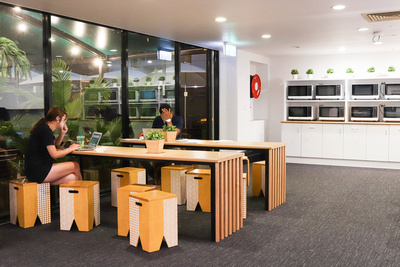
Learn
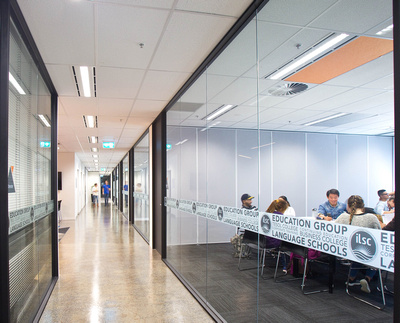
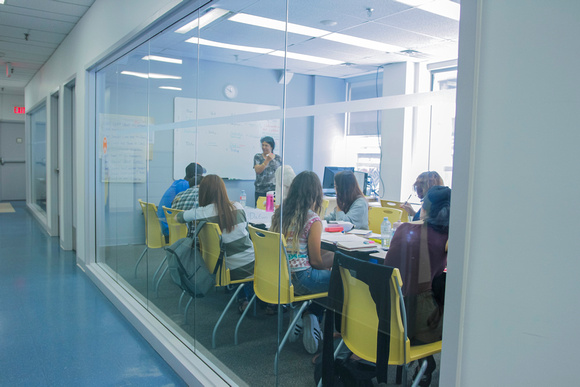
All our classes take place on the ILSC Brisbane campus.
Number of lessons: 20.5 lessons, 17 hours per week
Number of students per class: 18 students maximum
BEING ENVIRONMENTALLY FRIENDLY
We want to help planet earth! So, remember the three R’s:
» Reduce: Bring your own cup or bottle
» Recycle: Use the right recycling bins, for beverage bottle and cartons, food scraps (compost) and paper
» Reuse: Bring your food in re-usable containers whenever possible
Our Teaching Philosophy
Learning works better when it is student-centred.
Learning works faster when it’s combined with everyday experiences.
People learn best when they are confident, at ease and happy.
Mobile Phones and Valuables
Respect your teacher and classmates.
Please turn your cell phone off during class times.
Always keep your valuables with you: your wallet, bag, cell phone, electronic dictionary etc.
What and how you study
Language Levels
Our Junior Camp curriculum is designed to meet the diverse needs of our students, to address the range in language skills and abilities, and to challenge each individual student to progress and excel, based on their level.
LATENESS & ABSENTEEISM
You are expected to be on time to classes. Attendance, punctuality and participation are important parts of learning.
Students who come to class every day, on time:
» Learn more English!
» Get the class off to a good start!
Please note: if for any reason you are unable to attend a class or activity, please notify the school IN ADVANCE with a written notice or phone call.
Content
Reading, grammar, vocabulary, and writing are taught in dynamic and interesting ways.
Speaking and listening are practiced through discussion topics that are interesting and relevant to today’s youth.
ENGLISH ONLY POLICY
The English Only environment helps you:
» Think in English
» Improve your English faster
» Learn about other cultures
» Make friends!
About the city
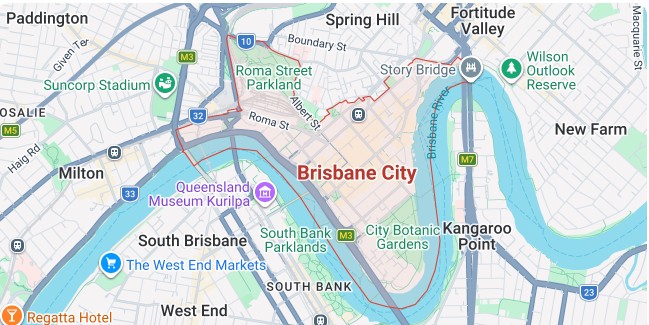
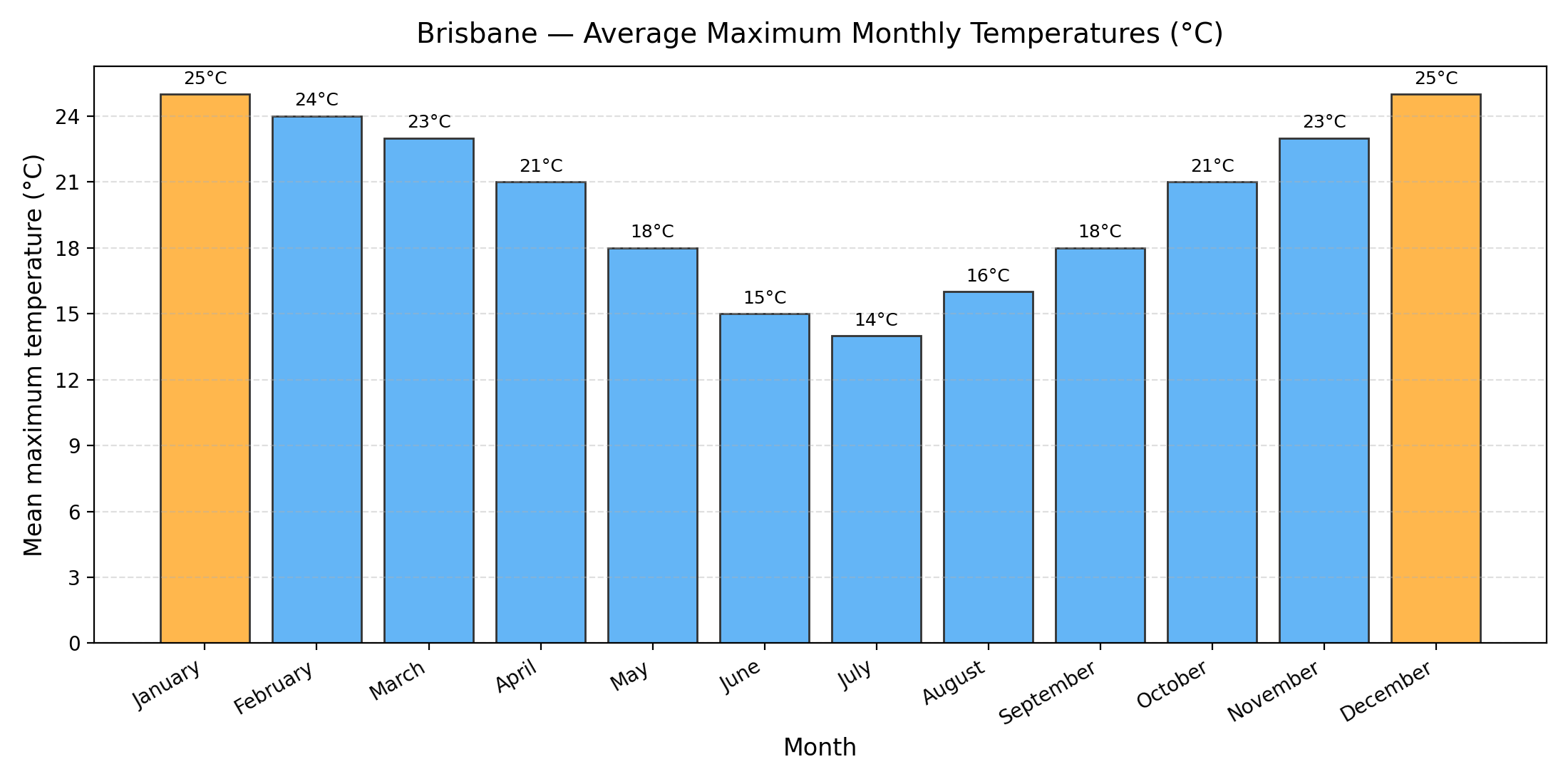
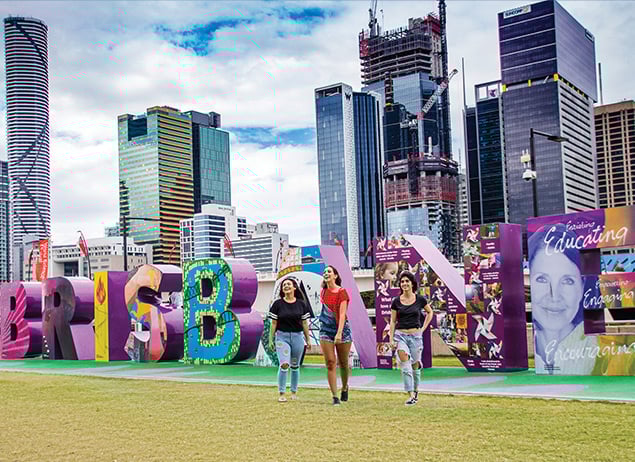
Learn English in Brisbane, a sleek, friendly, multicultural city, just north of the Gold Coast. Fall in love with Brisbane’s warm subtropical climate and the beautiful winding river that curves through the heart of the city.
Brisbane combines big city living, great culture, music, shopping, and arts with the welcoming feel of a smaller community. Enjoy the best of both worlds.
Public Transport and Phones
Public Transport is a great way to explore Brisbane and all public transport is now only 50c a ride. Click on the images for more information.
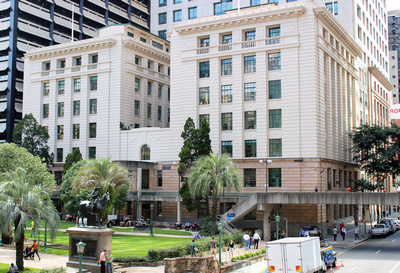
The ILSC–Brisbane campus is located directly across from Central train station and there are many bus routes that stop right next to the campus, on Ann St and Adelaide St.
A Juniors Program staff member will always accompany you on activities and will know the transit routes and fares required.
Students may need to travel on their own between their homestay and the ILSC campus each day. Your homestay family can explain the route and can help you choose the appropriate transit option. Students are responsible for their own public transit fare.

Transport
BUS, TRAIN, CITYCAT FERRY
Taking public transport is the fastest, most economical way of travelling to many exciting destinations in the city. Check out www.translink.com.au for routes.
Single fare $0.50 for everyone
NOTE: Fares are current as of January 2026 and are subject to change.

Telephones
MOBILE PHONES
We use the app WhatsApp to communicate with students on their mobile phones.
Students are required
A smartphone with mobile data (internet access) is essential so that Junior Camp coordinators can communicate with students during the program, especially for safety, schedules, and emergencies. Students should have an international roaming plan so they can access the internet at all times.
Social Media Restrictions
Australia has restrictions on social media use for children under 16. Messaging and communication apps are allowed, and students can continue to use apps such as WhatsApp, WeChat, LINE, KakaoTalk, iMessage, and email to stay in touch with family, friends, and school staff.
Some social media platforms (such as Instagram, TikTok, Snapchat, and Facebook) may have age-based restrictions and should be used in line with local laws and school guidelines. The Junior Camp team will always be able to contact students through approved communication apps.